
By Kristin Bien, WSBT 22 Operation Education Reporter
A new microschool will serve students in St. Joseph County.
Bridges Microschool is enrolling now for the 2026-27 school year.
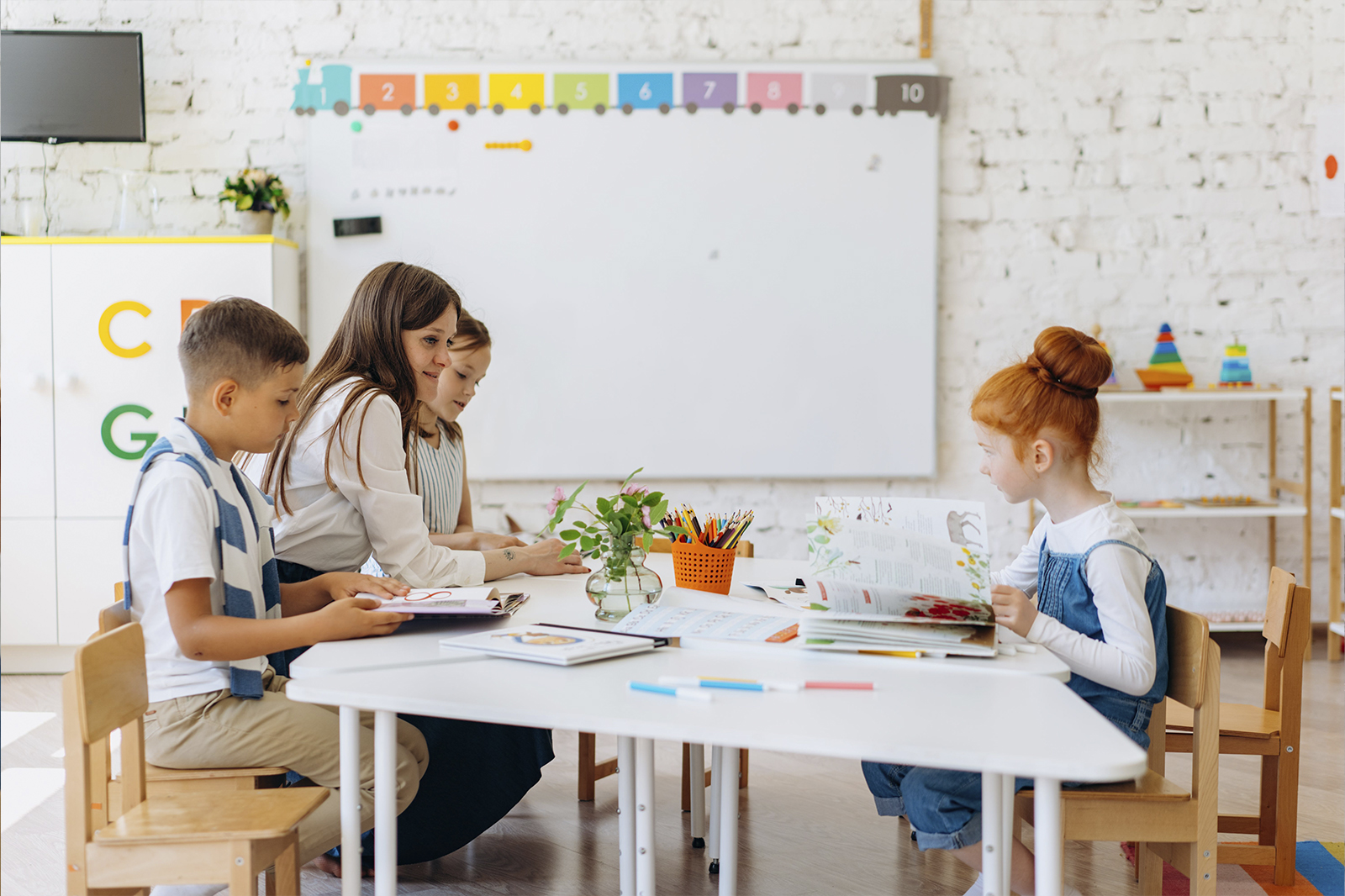
Microschools, like Bridges Microschool in Granger, are popping up in Indiana and around the country.
Teachers Amy Zache and Mary Dansky officially opened Bridges Learning Lab in 2025.
Bridges Learning Lab offers small group learning, tutoring, and enrichment out of its suite at the corner of Brummitt and Anderson Roads in Granger.
Now, it is expanding to offer Bridges Microschool.
"Bridges Learning Lab has grown amazingly, and we're so proud of it, that now we're kind of like, okay, we are ready for the next step," says Zache, who will run the microschool side of the business.
Zache has been a classroom teacher for 19 years and while she will still be in the classroom, it will be a much a smaller class.
"It's just a small, close knit learning community," says Zache.
The website says Bridges Microschool was founded on a simple belief that every child deserves an education as unique as they are.
Zache says offering a personalized education to every student has been a career-long dream.
“I really have been seeing how kids learn differently, and different things work for different students, and how I could do it better, and get them where they need to be,” says Zache, “a microschool is just like this perfect present for students that just need something different.”
Microschools are considered by some to be an emerging education movement driven by families who want more academic personalization, teachers who want more flexibility, and friendlier public policy toward different schooling options.
According to the nonprofit National Microschooling Center, microschools are generally innovative, small learning environments, which have been established outside of traditional public education systems.
“The way I like to talk about it is, a microschool is a modern version of the one-room schoolhouse,” says Amar Kumar, founder and CEO of Kaipod Learning, “it's small, it's highly personal, it's community-based, and it's really designed around the students it serves.”
Kaipod Learning is a network of microschools that operates across 21 states, including in Indiana.
It helps educators launch, operate, and grow microschools.
It is working with Bridges Microschool.
Kumar says there is no single model to help define a microschool but there are common characteristics.
He says most microschools enroll a small number of students, are built around a distinct education philosophy or need in the community, include mixed age group learning rather than grade level separation, and the educator has freedom and flexibility over pacing, curriculum, schedules, and teaching styles.
“Small groups, personalized instruction, more self-pacing -- all kids thrive when you give them that kind of freedom,” says Kumar.
That is the reason Zache left the traditional classroom behind and is now forging a new path with Bridges Microschool.
“We want them to be confident, and we want them to come here and want to be here and want to come back, because learning should be fun,” says Zache.
Bridges Microschool will offer low student-to-teacher ratios, project-based learning, and relationships and connection as a foundation.
Zache says there is currently one student enrolled, which is not unusual for a microschool’s first year.
Zache says as numbers grow, there will be just 8 to 10 students per teacher to make sure learning will always be intentional and personalized to each student.
“More quality lessons that are systematic, explicit, following state standards. Because it is smaller, and it's me, and they are personalized lessons, they're going to get those skills a lot quicker, and they will master them a lot quicker, and then we can keep moving. And if they don't, then I can see that right away, and we can keep working on it,” says Zache.
Zache is a certified and licensed teacher, with her Early Literacy Endorsement, and years of experience under her belt.
She is leaning on all of that for this new endeavor.
But what she has now, that she didn't have before, is the freedom and flexibility to do things how she wants, and in the best interest of the small numbers of children she is working with in the moment.
“I just love what I do. It is my passion. That's why I feel like this is just the next step of hopefully creating something bigger than what I even can imagine for kiddos,” says Zache.